Travel Blogs
Gods, Caves and Grapes
Some journeys arrive with excitement.
Others arrive with ease.
This one unfolded like a long, unhurried exhale. The road through Nashik and its sacred geography did not promise transformation. It offered something gentler and rarer: the feeling of being quietly held—by place, by history, by rhythm.
This was not a journey that demanded attention.
It taught attention.
This isn't your standard "pack the bags and go" itinerary. This is a three-day loop through the heart of Maharashtra designed to bridge the gap between our ancestors' wild imaginations and our modern need to unplug.
It’s a trip for the family that wants to trade screen time for stone-carved stories and vineyard sunsets.

Day 1: The Monolith of Wonders
Nashik → Ellora → Grishneshwar
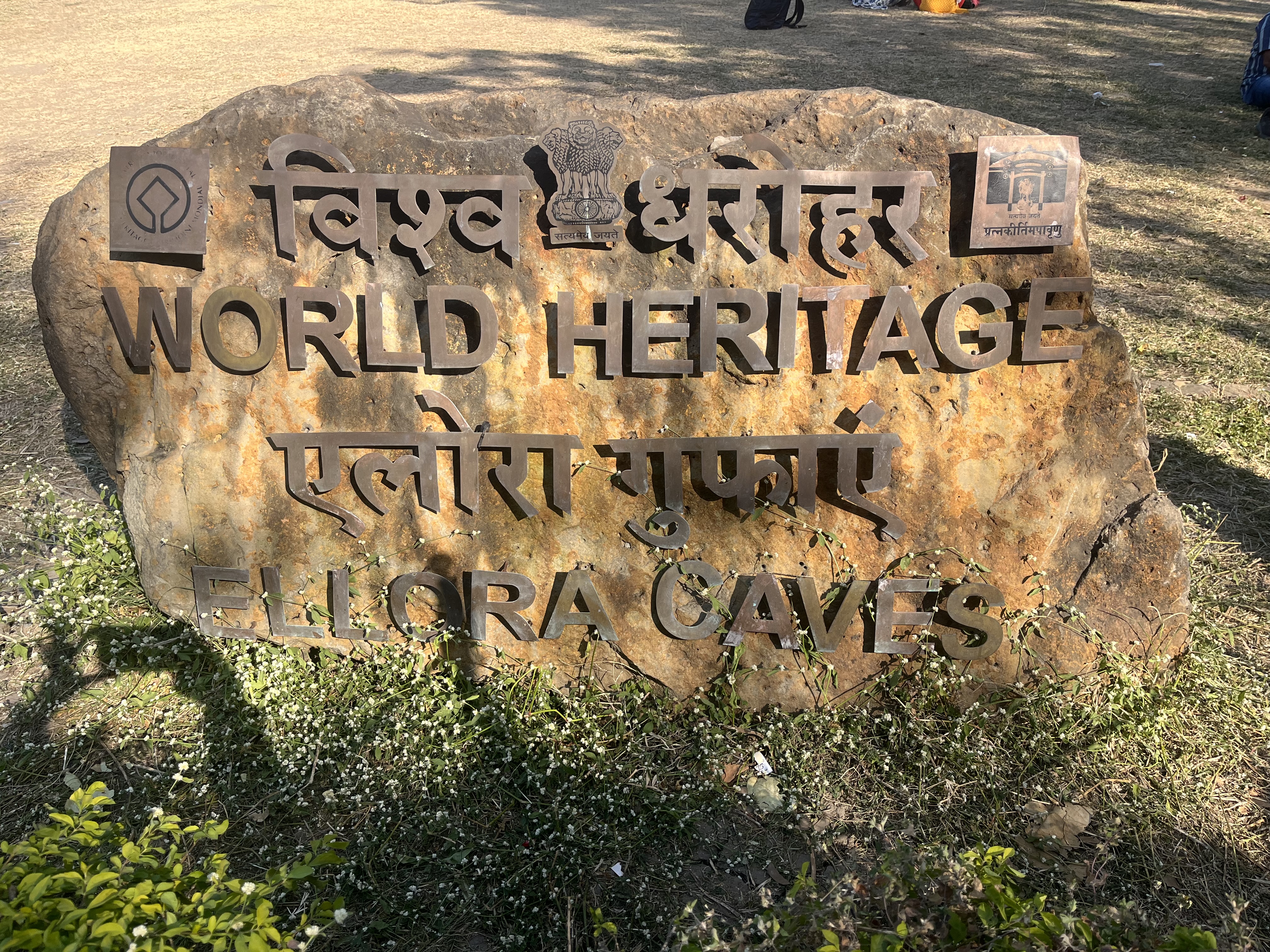
We start with a drive toward the Ellora Caves, but forget everything you know about museums. This is an open-air classroom carved into a cliffside.
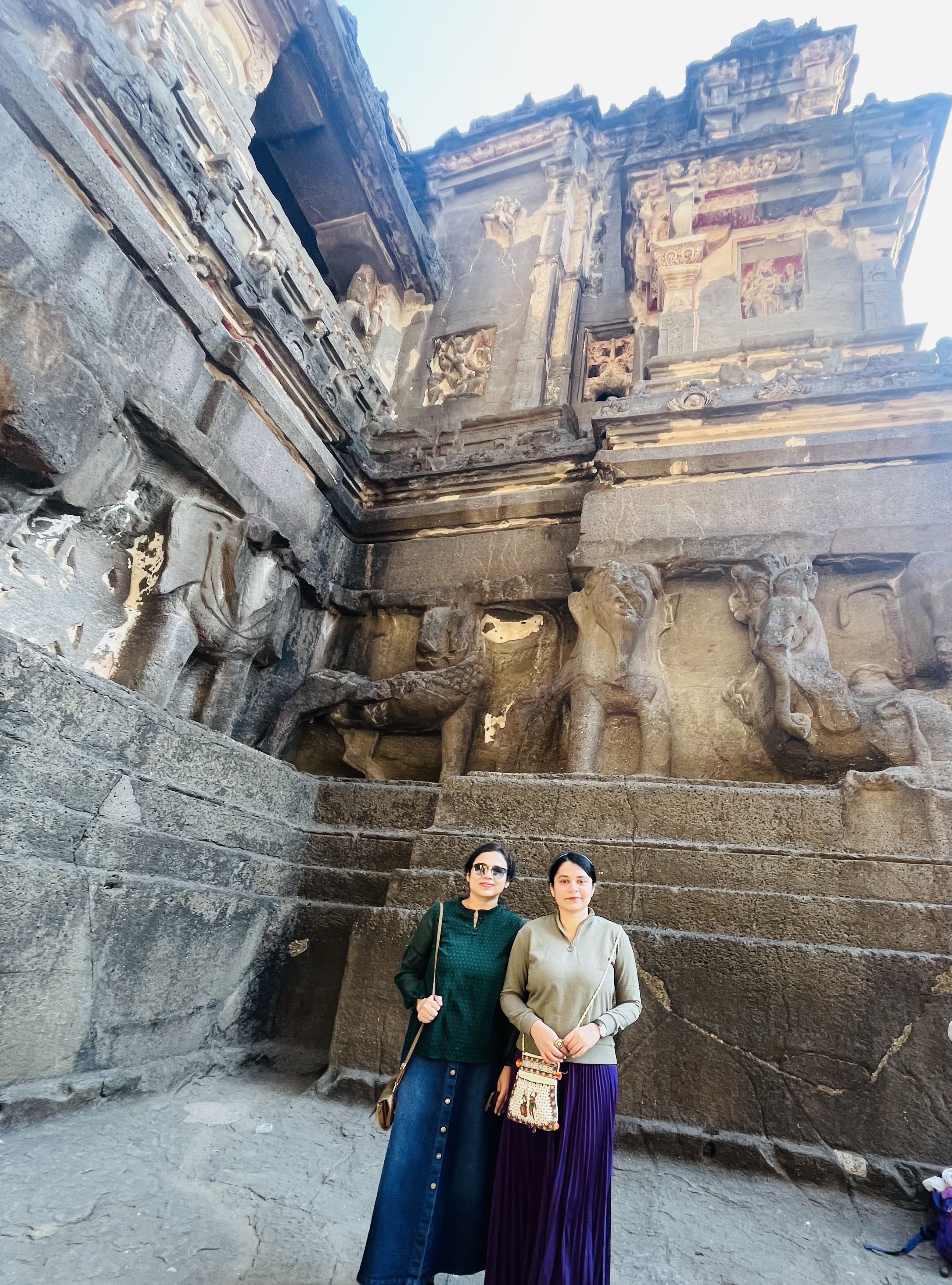

- The Impossible Sculpture: When you walk into Cave 16 (The Kailasa Temple), tell the kids one fact: the builders started at the top of the mountain and carved downward. There were no "undo" buttons. Challenge the family to find the stone elephants at the base—they are life-sized and look like they’re holding the entire mountain on their backs.
- A Walk Through Time: Ellora is a rare peace treaty carved in stone. You’ll find Hindu, Buddhist, and Jain caves side-by-side. It’s a beautiful way to show the family how different paths have lived together for over a thousand years.
- Hanuman Temple: the Hanuman temple waits without urgency. No grandeur, no performance—only presence. Hanuman here is not the roaring warrior of calendar art, but the quiet custodian of strength that knows when not to act. Devotees linger briefly, instinctively lowering their voices, as if strength itself prefers restraint. It feels less like visiting another shrine and more like acknowledging the force that makes devotion sustainable—the courage to serve without spectacle.
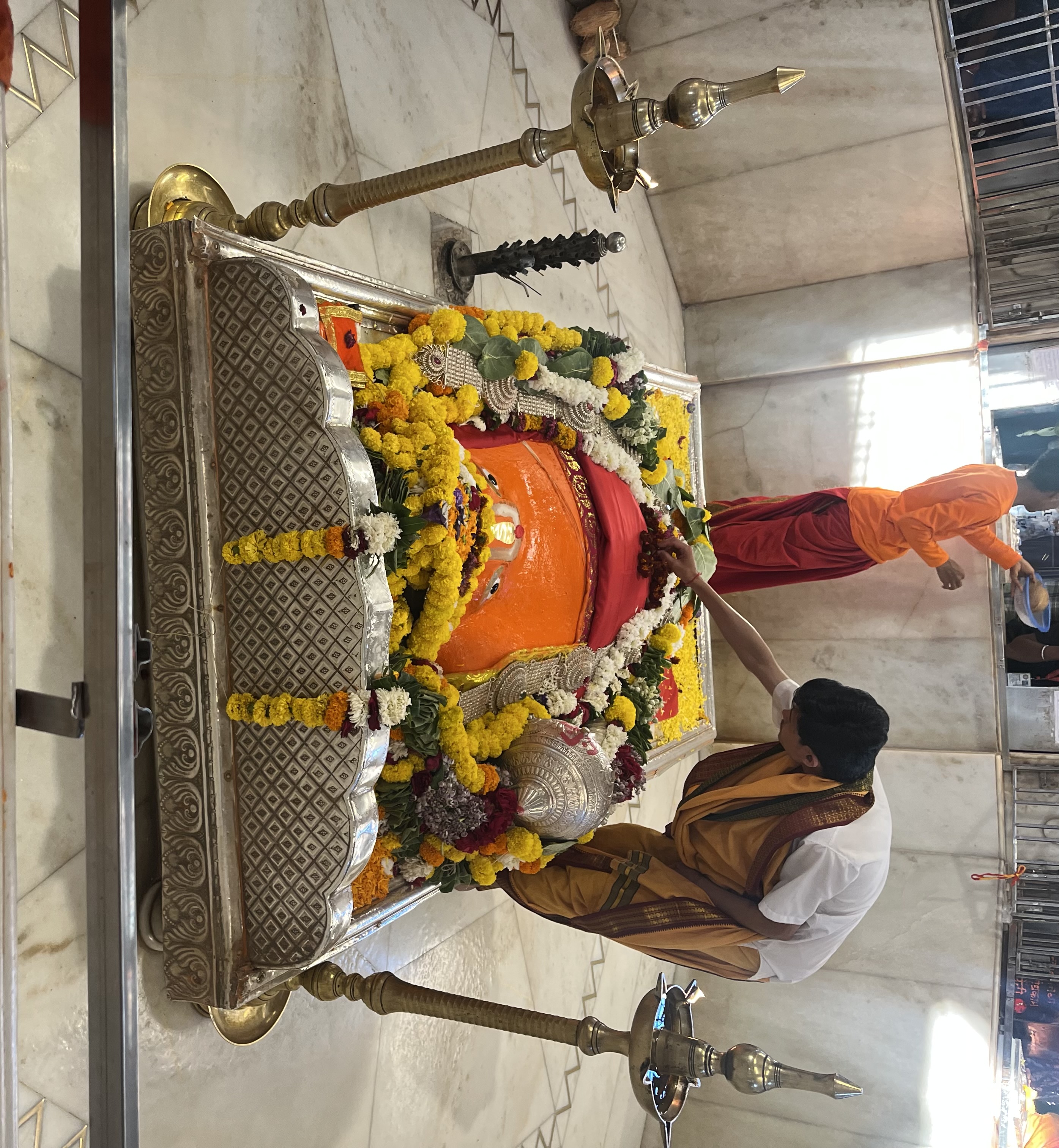
- The Glow of the Hearth: Finish the day at Grishneshwar Temple. A Jyotirlinga that does not decorate devotion, it anchors it. Stone walls. Repetitive chants. A silence that does not console, but steadies. You leave without answers—and realise later that this was intentional. Most ancient temples in Maharashtra are made of grey or black rock. Grishneshwar is built from a unique reddish-pink volcanic rock. When the sun hits it, the temple literally glows with a warm, soft hue that feels welcoming rather than intimidating.
Day 2: The Horizon of Trust
Grishneshwar → Shani Shingnapur → Bhimashankar
Today is about stories that sound like urban legends but are very much real.
- The Doorless Wonder: Welcome to Shani Shingnapur. As you drive through the village, count how many front doors you see. The answer? Zero. The locals’ faith in Lord Shani is so strong they believe no thief would dare strike. It’s a powerful lesson in trust and community that will spark some great dinner table conversations.
- The Open-Air Shrine: Unlike the grand cathedrals of Europe, the shrine here is a simple, powerful black stone under the sky. No VIP lines, no gold-plated walls—just raw devotion.

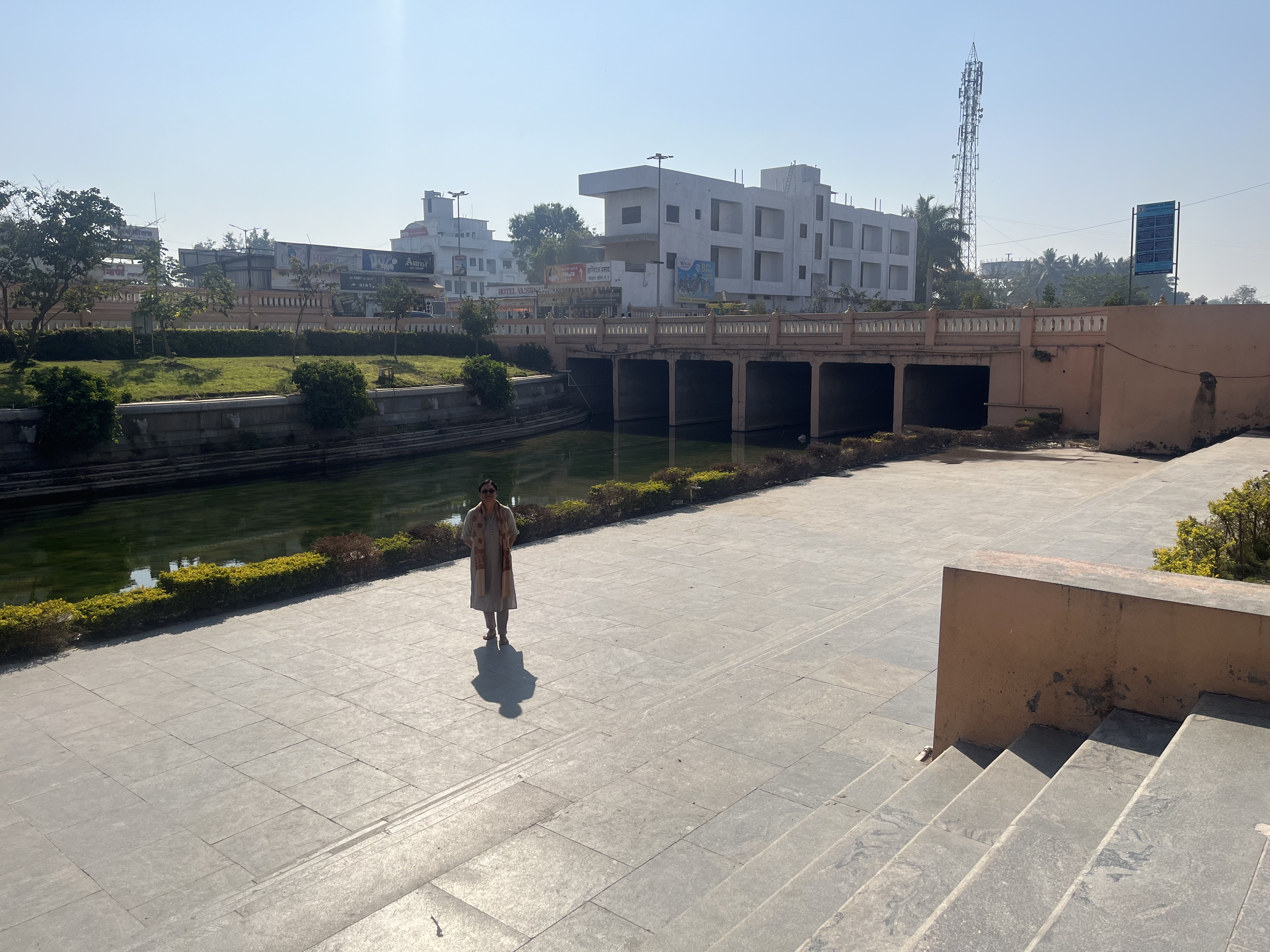
- The Forest’s Secret: We then climb into the Sahyadri mountains to Bhimashankar. Set inside a lush wildlife sanctuary, this temple is a "Jungle Sanctuary." Keep your binoculars ready for the Shekru (the Indian Giant Squirrel)—a rust-coloured local resident that you will love spotting in the high canopy. While Grishneshwar is cozy and red, Bhimashankar is the "Jungle Temple." It is the 6th Jyotirlinga, perched high in a wildlife sanctuary.
Day 3: From Ancient Rivers to Rolling Vineyards
Bhimashankar → Trimbakeshwar → Nashik
The Godavari’s Cradle: The day in Trimbakeshwar, nestled at the foot of the lush Brahmagiri hills. The air here is noticeably cooler and smells of rain and incense. Our final day is a "best of both worlds" experience, mixing the roots of Indian history with the sophisticated hum of modern Nashik.
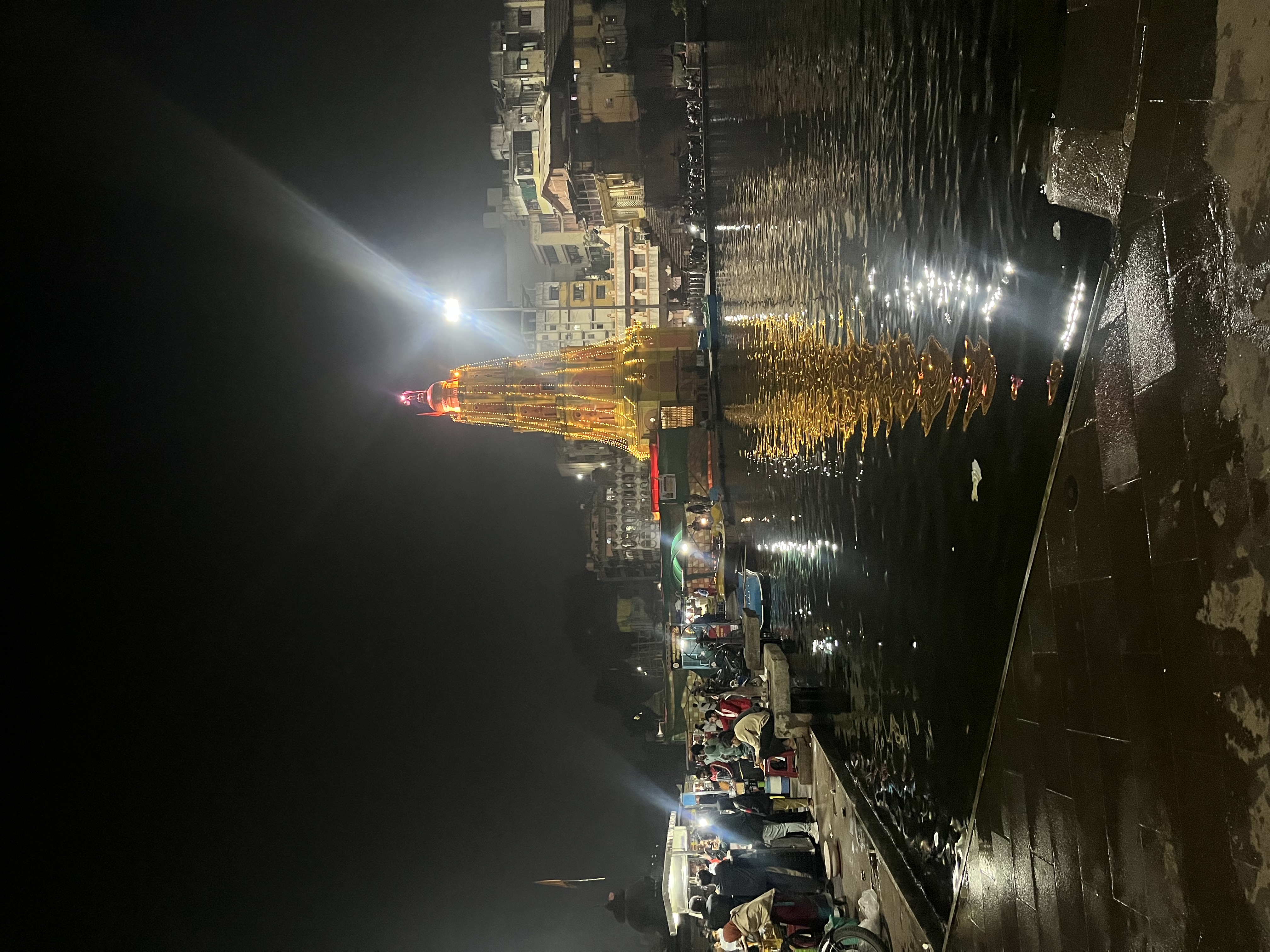
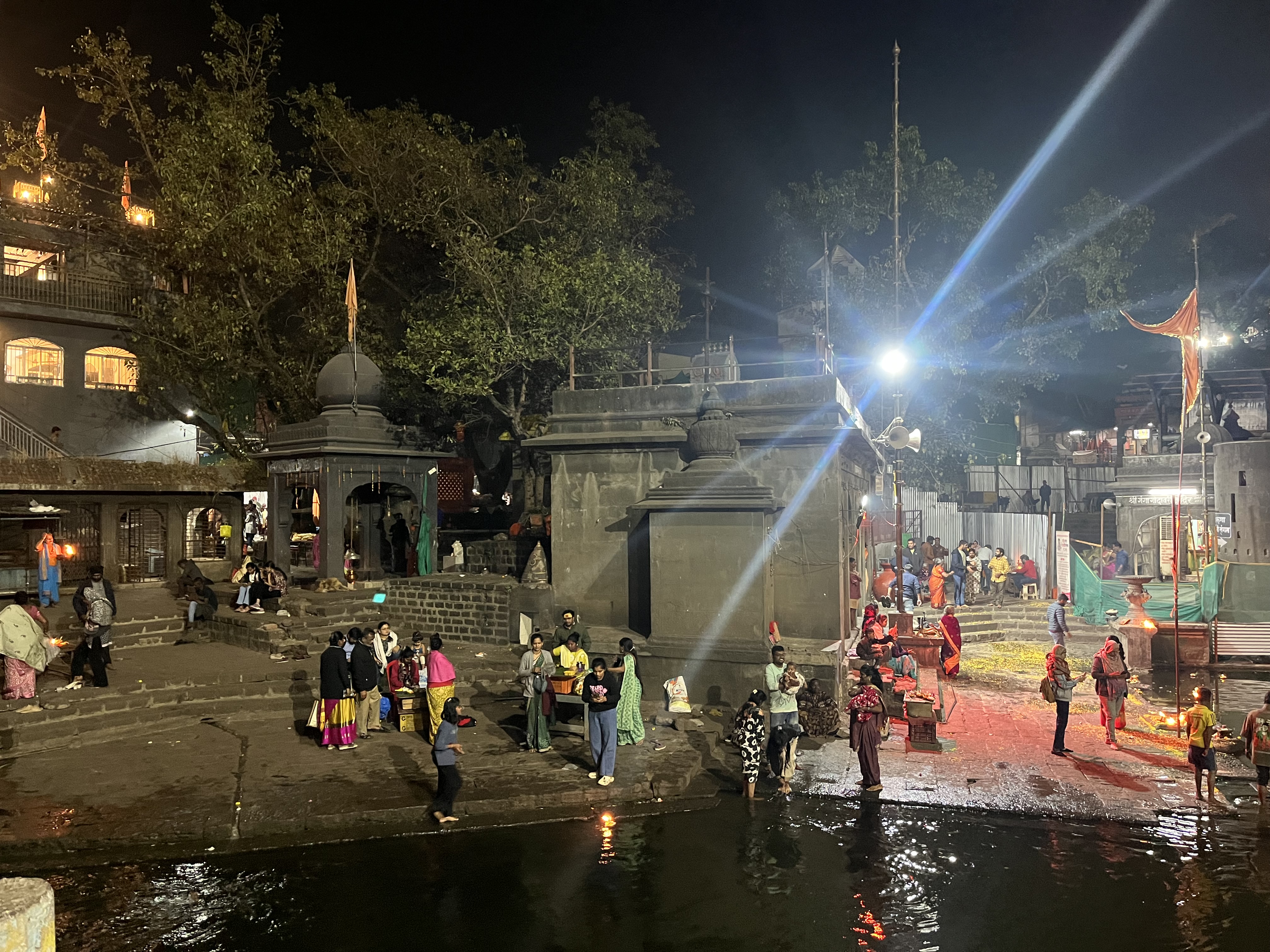
- The Morning Ritual: Visit the Trimbakeshwar Temple early. The architecture is dark basalt, rugged and timeless. Afterward, head to Panchvati in Nashik. Walk along the banks of the Godavari. Visit the Kalaram Temple, and tell the stories of the Ramayana as you walk through the very "Five Banyan Trees" (Panchvati) where the legend unfolded.
- The Sound of Silence: Stop by the ISKCON Temple. Even for the most energetic people, the meditation hall offers a moment of genuine stillness. The architecture is stunning, and the atmosphere is pure "zen."
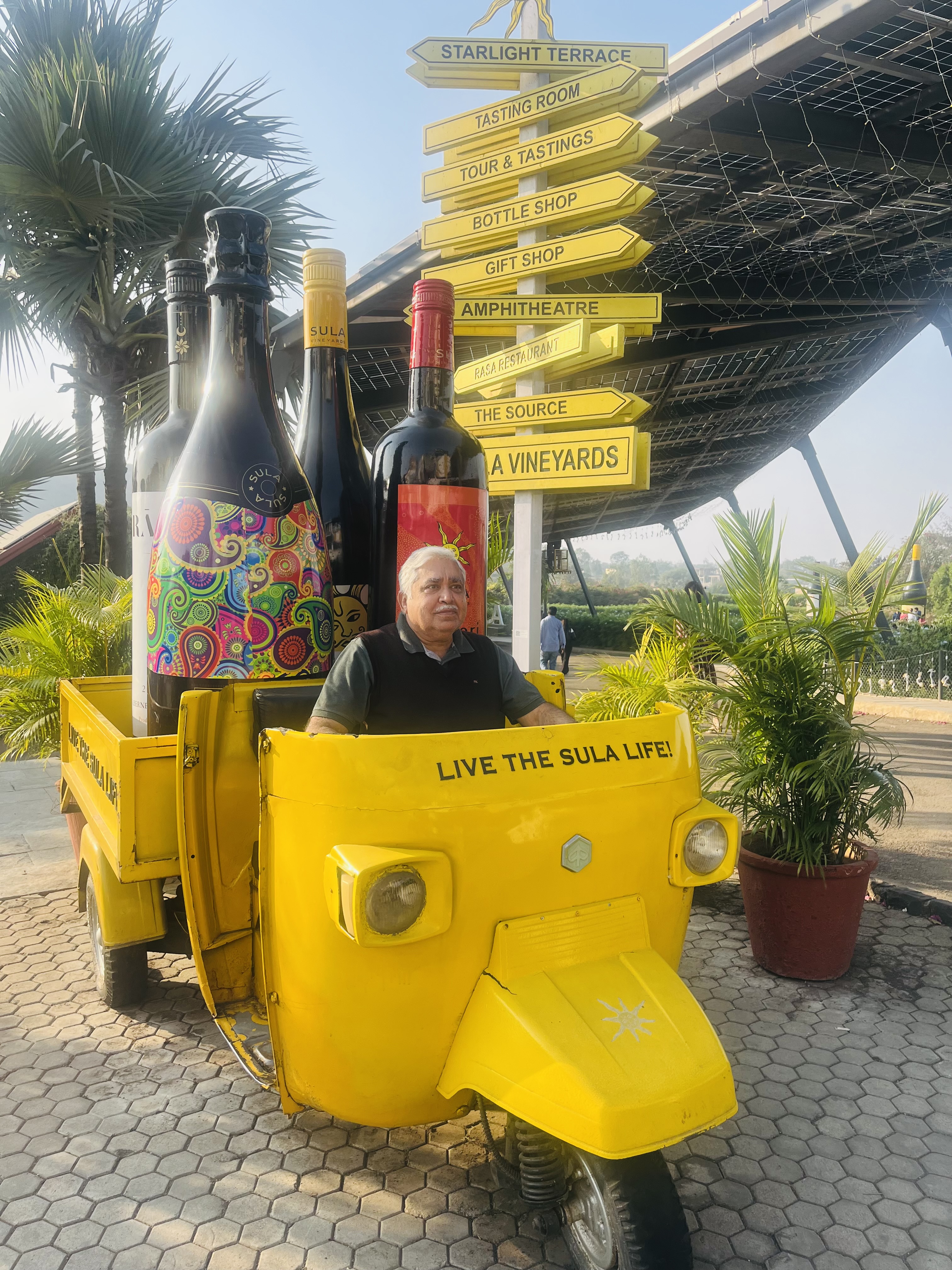
- The Celebration: We finish at Sula Vineyards. As the adults enjoy a glass of local vintage, the kids can enjoy the wide-open spaces and the breeze off the Gangapur Dam. It’s the perfect moment to realize that in three days, you’ve travelled from the dawn of history to the height of modern relaxation. It’s the perfect spot for that "final day" family photo as the sun dips behind the vines.